Yes — vermiculite can be dangerous, depending on its source and condition.
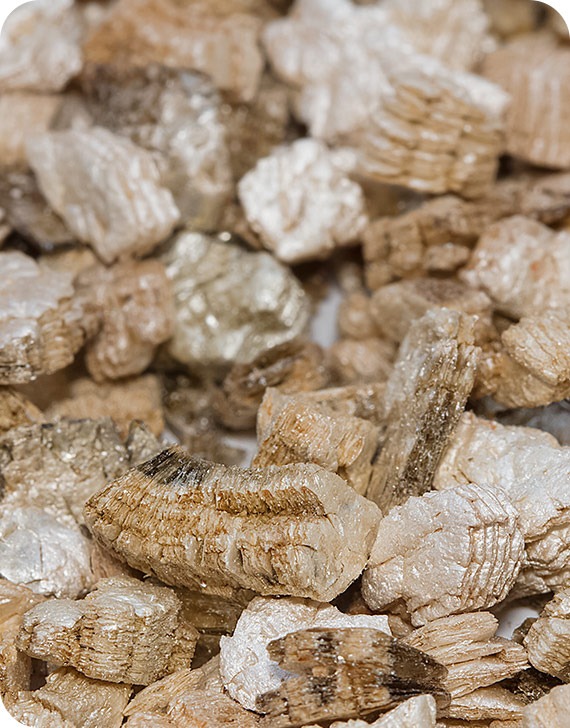
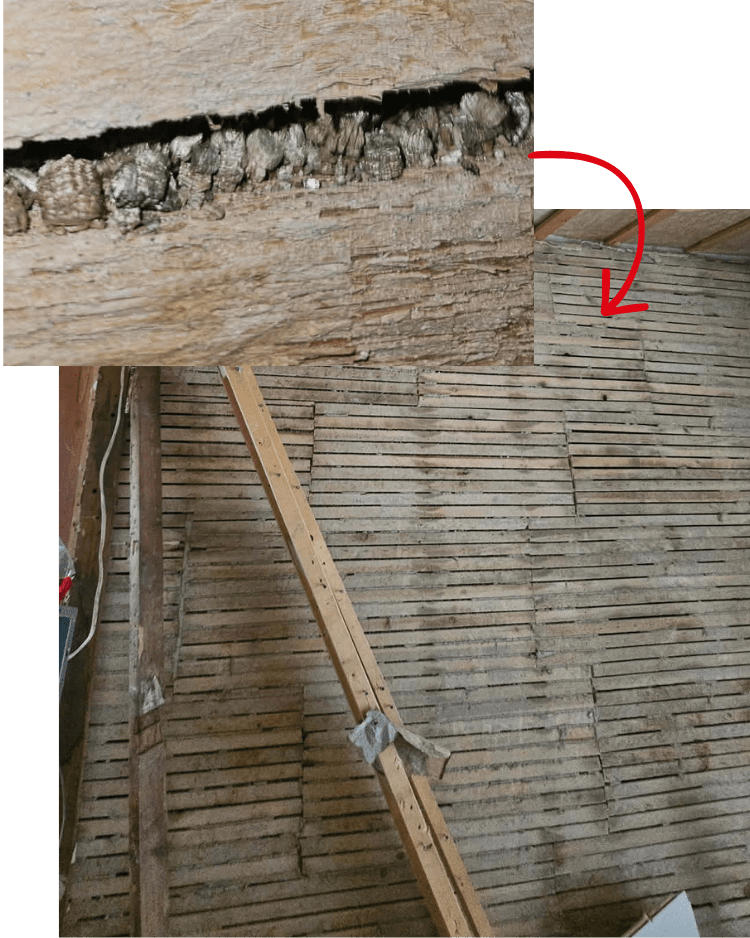
Vermiculite itself is a naturally occurring mineral that was widely used as loose-fill attic insulation in Canadian homes for decades. On its own, the mineral is not harmful. The risk comes from where much of the vermiculite sold in North America was mined.
For many years, a large portion of attic vermiculite insulation — commonly sold under the brand name Zonolite — came from a mine in Libby, Montana. That mine was naturally contaminated with asbestos. As a result, much of the loose-fill vermiculite installed in homes from the 1950s through the 1980s may contain asbestos fibers.
The level of danger depends on whether the material is disturbed. Asbestos-contaminated vermiculite is highly friable, meaning it breaks apart easily and releases microscopic fibers into the air. When left completely sealed and undisturbed in an attic space, the immediate risk is relatively low. The concern begins the moment it is disrupted.
Disturbance does not require major renovation. Simple actions such as moving storage boxes in the attic, installing lighting or ventilation, running new wiring, or dealing with pests can release asbestos fibers into the air. These fibers are invisible to the naked eye and cannot be managed by sight alone. Once airborne, they can linger and circulate through the home.
This is why professional asbestos assessment is recommended before any renovation or attic work in older Calgary homes. Testing provides certainty, and if asbestos is present, proper containment and abatement procedures can be planned safely.